
Teds Woodworking reviews are everywhere online, and many of them read like ads. That makes it hard to learn whether the plan library is worth your money. This guide looks at what you get, what it costs, and what buyers complain about.
Teds Woodworking is a digital library of woodworking plans that advertises more than 16,000 projects. People search for it now because ads and affiliate posts keep promoting it, while some buyers post warnings. This review is for hobbyists, DIY homeowners, and anyone comparing free plan sites with paid bundles. You will learn how the product works, where its claims look stretched, and which alternatives may fit better.
What Is Teds Woodworking?
Teds Woodworking is a downloadable library of woodworking plans sold under the name of Ted McGrath. According to the official sales page at tedswoodworking.com, you pay once and get instant access to a members area. Plans come as digital files, and the seller also offers shipped DVDs or USB drives for an extra fee.
Here is what the package advertises:
- Plan library: more than 16,000 plans, according to the seller.
- Members area: a searchable library with category and difficulty filters.
- Monthly releases: new plans added over time, plus custom plan requests.
- Four bonuses: a CAD/DWG viewer, 150 videos, a business guide, and a 200-page guide set.
- Money-back guarantee: 60 days, requested by email.
Where It Fits in the Market
The product sits in the “plan bundle” niche. It falls between free plan websites and paid single-plan magazines. In addition, it sells through ClickBank, a marketplace that pays affiliates a commission on each sale. As a result, many glowing reviews carry affiliate links, so you should read them with care.
This review is independent of the seller. However, if you buy through a link in this post, we may earn a commission at no cost to you. DISCLOSURE……
How Does Teds Woodworking Work?
The process is simple on paper. You buy the package, log in, and search for a project. However, your experience depends heavily on your skill level and your ability to judge plan quality. The three stages below show what to expect.
1. Education and Planning
First, you decide what you want to build. Most buyers browse by category, such as furniture, sheds, outdoor projects, or toys. Because the library is large, planning takes more effort than you might expect.
- Search by keyword, for example “workbench” or “garden bench.”
- Filter by difficulty so you do not start with a project that is too hard.
- Compare two or three similar plans, since quality may vary.
- Price the materials list at your local lumberyard before you commit.
2. Build or Setup Process
Next, you print the plan or view it on a screen. According to the seller, each plan includes step-by-step instructions, a cut list, and a materials list. Reviewers say the detail level differs from plan to plan. Therefore, read the whole plan before you buy any lumber.
- Check that the measurements add up, because errors appear in free and paid plans alike.
- Test your cuts on scrap wood first.
- Remember that store lumber is smaller than its nominal size, so confirm actual dimensions.
- Adjust the dimensions to fit your space and tools.
3. Optimization and Usage
Finally, you use the library over time. Experienced woodworkers often treat it as an idea bank rather than a course. For example, they may borrow a joint from one plan and a layout from another. That approach works well if you already know the basics.
- Save your favorite plans in labeled folders.
- Note which plans worked and which had mistakes.
- Pair the plans with trusted tutorials if you are a beginner.
- Upgrade your tools only when a project truly needs it.
Current Pricing and Ongoing Costs
The official sales page lists a “Lifetime Member Deal” of $67, paid once. However, the same page says the standard membership is now $39 per month. Prices and offers can change at any time, so confirm both numbers at checkout.
What the Sales Page Says About Price
The seller says the library launched as a $67 one-time purchase. He also says rising demand makes that model hard to sustain. As a result, he describes a “transition” to a $39 monthly plan. The $67 option stays open only “while we have capacity,” according to the page.
- Lifetime option: $67 once, with no recurring fees, according to the seller.
- Standard membership: $39 per month, according to the same page.
- Payment processor: ClickBank handles checkout, so your statement may show that name.
- Urgency language: the official page says the deal may end “after in 2 days.” That wording looks like an unfilled template placeholder, so treat the deadline with caution.
Bonuses, Physical Copies, and Extra Costs
The page lists four bonuses: a CAD/DWG viewer, 150 videos, a woodworking business guide, and a 200-page guide set. It also mentions monthly plan releases and free custom plan requests. The “value” prices beside each item are the seller’s own figures, not market prices.
- DVDs or USB: the page offers shipped copies “for a small additional fee” but does not state the amount.
- Lumber and hardware: usually the biggest cost of any build.
- Tools and safety gear: the page says most plans need a table saw, drill, clamps, and sander.
- Printing: large PDFs use paper and ink.
Questions the Pricing Raises
Two details deserve a closer look. First, the page promises “no recurring fees” while also describing a $39 monthly plan. In addition, the lifetime offer depends on “capacity,” but the page never explains how that capacity is measured.
- Check that your cart shows one payment, not a subscription.
- Screenshot the price, terms, and guarantee before you pay.
- Decline any extra offers you do not need.
- Review your card statement after the first billing cycle.
Key Features and Components
Here are the main features that the seller and reviewers describe. Some are easy to confirm, while others rely on the seller’s word.
Features From the Sales Page
- A searchable, filterable library with more than 100 categories, according to the seller.
- Plans for furniture, storage, outdoor builds, sheds, pet projects, kitchen items, toys, and shop tools.
- Cut lists, materials lists, and drawings in each plan, according to the seller.
- Difficulty levels from beginner to advanced.
- Free custom plan requests and monthly new plans.
- A CAD/DWG viewer that lets you edit plans.
What a Long Feature List Does Not Prove
Together, these features make the package look generous. However, a long list does not guarantee quality. A smaller set of clear, tested plans can beat a huge pile of uneven ones. For that reason, ask yourself which three projects you want to build first. Then check whether the seller shows real samples of those project types.
Real User Results and Case Studies
Verified, independent case studies are hard to find for this product. The sales page shows many testimonials, but they are the seller’s own marketing. Several affiliate reviews also use made-up examples. One, for instance, asks readers to “imagine someone like Mark.” Therefore, this section describes patterns only and labels them as anecdotal.
Reported Savings or Outcomes
Supporters say they save money by building furniture instead of buying it. That can be true for simple projects, because DIY builds often cost less than retail pieces. On the other hand, savings disappear if you waste lumber on a flawed plan or buy many new tools.
- Positive reviews often praise the variety of project ideas.
- Negative Trustpilot reviews say the real plan count looked far below 16,000.
- Some buyers report that plans felt outdated or incomplete.
- No independent test has verified the advertised plan count.
Use Cases
The package seems most useful as a reference library. For example, a hobbyist might look for a bookshelf, a workbench, or a garden planter. In these cases, the plan serves as a starting point rather than a finished guide.
- Weekend projects: small builds like planters, shelves, and cutting boards.
- Outdoor builds: benches, tables, and storage boxes. Check local codes before building larger structures.
- Inspiration: browsing ideas before you design your own version.
- Shop upgrades: jigs, racks, and workbenches.
Learning Curve
The seller says most plans suit beginners. Reviewers disagree on this point. Some beginners report success with small builds. Others say the plans assume basic skills with tools and measuring. Consequently, complete beginners may need extra video lessons or a local class.
Common Complaints and Potential Risks
Complaints about this product follow a few repeating themes. Because these reports come from individual buyers, treat them as anecdotal. Even so, the patterns are worth knowing before you pay.
1. Overhyped Marketing Claims
The 16,000-plan headline is the biggest sticking point. Several Trustpilot reviewers say the real number felt far lower. Other reviewers say many plans are small variations of the same design. Meanwhile, the seller’s own numbers do not fully add up.
- The page says a team releases five new plans every week, fifty weeks a year, for two decades. That math gives about 5,000 plans, not 16,000.
- Elsewhere, the page says 5 to 8 new plans arrive each month. That rate conflicts with five per week.
- The page lists more than 54,000 customers and a “$749 value.” Neither figure is independently verified.
- The FTC requires advertising claims to be truthful and not misleading, so ask the seller to explain the count.
2. Technical Complexity
Some buyers struggle to navigate large file libraries. In addition, CAD or DWG files may confuse people who have never used a viewer. Even a well-organized library can feel overwhelming at first.
- Expect a learning curve with the file viewer.
- Organize your downloads into folders right away.
- Print one small plan first to test the quality.
- Skip projects that need tools you do not own.
3. Customer Support and Refunds
The sales page promises a 60-day money-back guarantee. According to the seller, you email him within 60 days, and he returns your money within 48 hours, with “no questions asked.” However, some Trustpilot reviewers say they had trouble getting refunds. Those accounts are anecdotal, but they match a common complaint about digital products.
- Save your receipt, order number, and the guarantee wording.
- Email your refund request in writing, and keep a copy.
- Note the 60-day deadline on your calendar the day you buy.
- If the seller does not reply, contact ClickBank, which the page lists as the retailer.
- If that fails, dispute the charge with your card issuer. The Fair Credit Billing Act supports certain card disputes.
- Check the company’s Better Business Bureau profile for complaint history.
4. Safety and Compliance
A plan is not a safety guarantee. Woodworking involves sharp blades, loud machines, and fine dust. As a result, you must take safety seriously no matter where your plans come from.
- Plans for children’s furniture or cribs should meet current CPSC safety rules.
- Sheds, decks, and other structures may need permits under local building codes.
- Shop wiring should follow the National Electrical Code, and electrical tools should carry a UL mark.
- Fine wood dust can harm your lungs, so use dust collection and a proper mask.
Pros and Cons
Every product has strengths and weaknesses. The lists below summarize what buyers and reviewers mention most often.
Advantages
- Variety: the library covers many project types, so you will rarely run out of ideas.
- Digital access: you can start right after checkout, so there is no shipping wait.
- One-time option: a $67 lifetime price is offered for now, according to the sales page.
- Free sample: the official site offers 50 free plans, so you can judge quality first.
- Refund window: the seller advertises a 60-day guarantee by email request.
Disadvantages
- Headline claim: the 16,000-plan count may overstate real variety, and the seller’s math does not add up.
- Uneven quality: some buyers report incomplete or outdated plans.
- Unclear pricing future: the page promises no recurring fees but also describes a $39 monthly plan.
- Refund complaints: a few buyers report difficulty with refunds.
- Affiliate noise: most online reviews are paid promotions, so trustworthy feedback is scarce.
Who Is Teds Woodworking Best For?
The product fits some buyers better than others. Your experience and goals matter most.
Ideal Buyers
- Intermediate hobbyists who can fix small plan errors on their own.
- Idea seekers who want a large pool of project concepts.
- Shop owners who need quick references for common builds.
- Careful shoppers who will test the plans and use the refund window if needed.
Who Should Probably Avoid It
- Complete beginners who need guided, step-by-step lessons.
- Budget-limited buyers who can find free plans that meet their needs.
- Anyone wanting guaranteed quality across every plan.
- People who dislike urgency tactics and sales-funnel pages.
If you fall into the second group, free plan sites or a beginner video course may serve you better.
Comparison With Alternatives
Teds Woodworking is not your only option. Two alternatives stand out for most US buyers.
Versus Free Woodworking Plan Websites
Many websites offer free plans with photos and clear instructions. Ana White is one well-known example. These sites cost nothing, and their plans often come with comments from people who built them. However, the selection is smaller and less organized than a bundle. For beginners, free plans with real build photos are often the safer start.
Versus Paid Magazine Plans and Online Courses
Magazines and publishers such as Woodsmith or Fine Woodworking sell tested plans and tutorials. Some online courses also teach skills step by step. Their cost per plan is usually higher. On the other hand, editors usually test the designs, so the quality tends to be more consistent.
| Feature | Teds Woodworking | Free Plan Sites | Paid Magazines and Courses |
|---|---|---|---|
| Cost | $67 once or $39/month, per sales page | Free | Varies |
| Plan variety | Very large (claimed) | Moderate | Moderate |
| Quality control | Reported as uneven | Varies by site | Usually tested |
| Beginner support | Limited | Often good | Often strong |
How to Buy Safely and Avoid Imitations
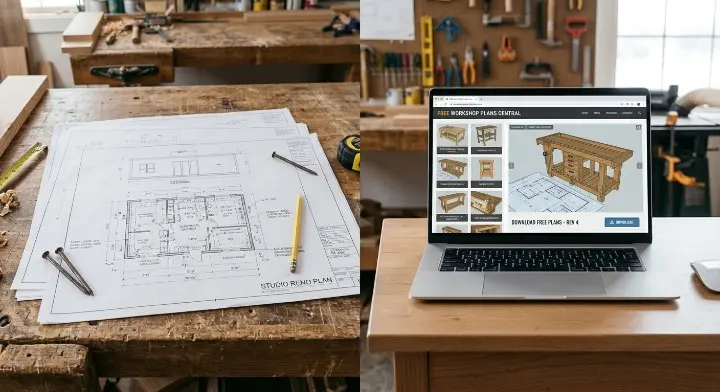
Imitation sites and “free download” pages are common for popular digital products. Therefore, buy with care. Use this checklist before you enter your card number:
- Use the official site: the seller’s own domain is tedswoodworking.com. Type it into your browser instead of clicking a link in a review. Checkout runs through ClickBank.
- Try the free sample first: the official site offers 50 free plans and a 440-page book in exchange for your email. Use them to judge plan quality before you pay.
- Read the refund policy: confirm the number of days and how to request a refund.
- Check the URL: look for small spelling changes in the domain name.
- Keep your receipt: save the email and order number.
- Avoid free reuploads: pirated copies may carry malware and break copyright law.
- Pay by credit card: cards give stronger dispute rights than debit or wire transfers.
- Watch for recurring charges: check your next statement.
Safety Tips
Good plans do not replace good habits. Follow these practices whenever you build:
- First, wear safety glasses and hearing protection every time.
- Use a dust mask or respirator when you sand or cut.
- Keep blades sharp, because dull blades cause kickback.
- Clamp your work securely before you cut or drill.
- Follow the tool manual and OSHA-style shop safety guidance.
- Check local codes before you build sheds, decks, or anything attached to your home.
- Never work when you are tired or rushed.
CPSC safety standards for children’s furniture -> US Consumer Product Safety Commission
Frequently Asked Questions
Is Teds Woodworking a scam?
Teds Woodworking appears to be a real product that sells digital plans, but buyers disagree about its value. Some Trustpilot reviewers call it a scam over plan count, quality, and refund trouble. Others report no problems. These accounts are anecdotal, so test the plans within the refund window.
Does Teds Woodworking really deliver the advertised results?
It delivers digital plans, but the 16,000-plan count is hard to verify. Reviews suggest many plans are variations of similar designs. Results also depend on your skill, tools, and materials. No plan guarantees a finished project.
Do I need technical skills to use Teds Woodworking?
Yes, basic skills help. You should be able to read measurements, use hand and power tools, and follow safety steps. Complete beginners may need extra tutorials. The package works best as a reference library rather than a teaching course.
How much does Teds Woodworking cost?
The official sales page lists a one-time “lifetime” price of $67. It also says the standard membership is $39 per month. Confirm the current offer at checkout, and add the cost of lumber, tools, and safety gear.
Is there a refund policy?
Yes, the sales page advertises a 60-day money-back guarantee. You request it by email, and the seller says he refunds within 48 hours. Keep your receipt, because some buyers report refund trouble.
Can I try Teds Woodworking before I buy?
Yes, partly. The official site offers 50 free plans and a free woodworking book when you enter your email. These samples let you judge the layout, detail, and clarity of the plans. Remember that they may not represent the full library.
What are good alternatives to Teds Woodworking?
Free plan websites, magazine plan subscriptions, and structured online courses are the main alternatives. Free sites suit budget-minded beginners. Paid magazines and courses often offer tested designs and clearer instructions.
Final Verdict: Is Teds Woodworking Worth It in 2026?
Teds Woodworking may help hobbyists who want a large pool of project ideas and can judge plan quality themselves. If you already know the basics, you can use the library as a reference and adapt designs to your needs. In that case, the 60-day guarantee lowers your risk, provided you verify the terms first.
On the other hand, beginners and bargain hunters should think twice. The 16,000-plan claim is hard to verify, and the seller’s own math does not add up. Quality seems uneven, and some buyers report refund trouble. Free plan sites and guided courses may give you better results with less risk.
Overall, the best approach is to stay realistic and test before you commit. Download the seller’s free sample plans first, read the refund policy, and keep your receipts. If Teds Woodworking still appeals to you, buy only from the official site and review the plans within the guarantee period. That way, you stay in control of the decision.
You may also like to read: Energy Revolution System Reviews 2026: Legit or Scam?