Disclosure: This post contains affiliate links. If you buy through them, we may earn a commission at no extra cost to you. Our review stays independent and honest regardless.
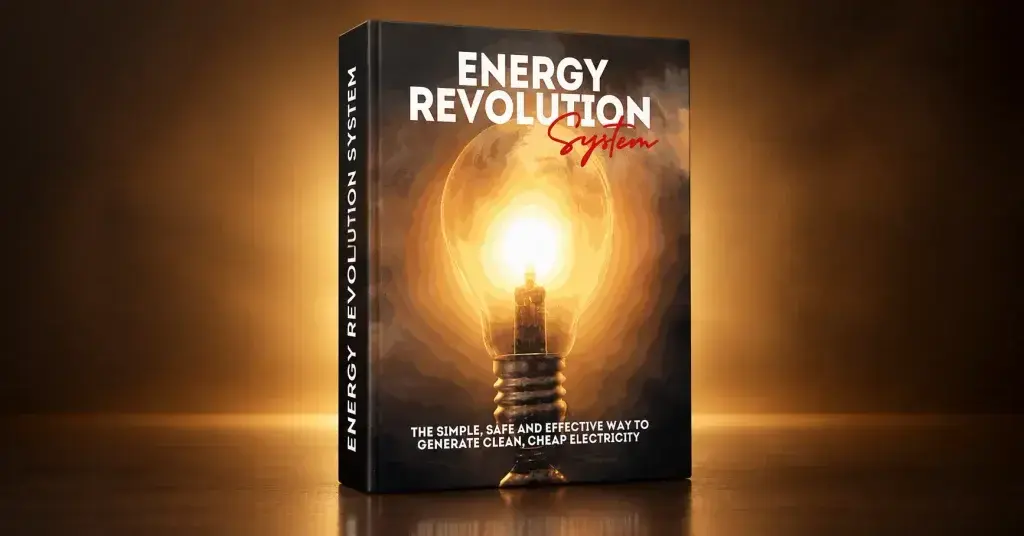
Energy Revolution System reviews are everywhere in 2026. The product promises a do-it-yourself home power generator that can cut your electric bill by up to 80%. That claim has pushed many US homeowners to search for answers. Is it a legitimate guide, or just clever marketing?
This review sorts through the hype. First, we explain what you actually get. Next, we cover reported pricing, refund terms, common complaints, and the science behind the claims. Finally, we compare the program with solar generators and rooftop solar, so you can decide with clear facts. Along the way, we flag every detail we could not confirm.
What Is the Energy Revolution System?
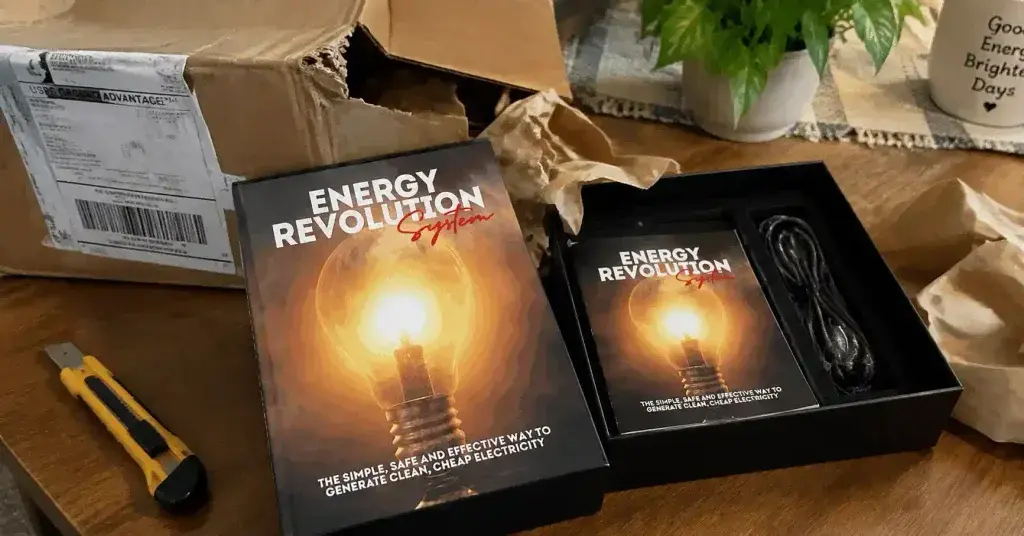
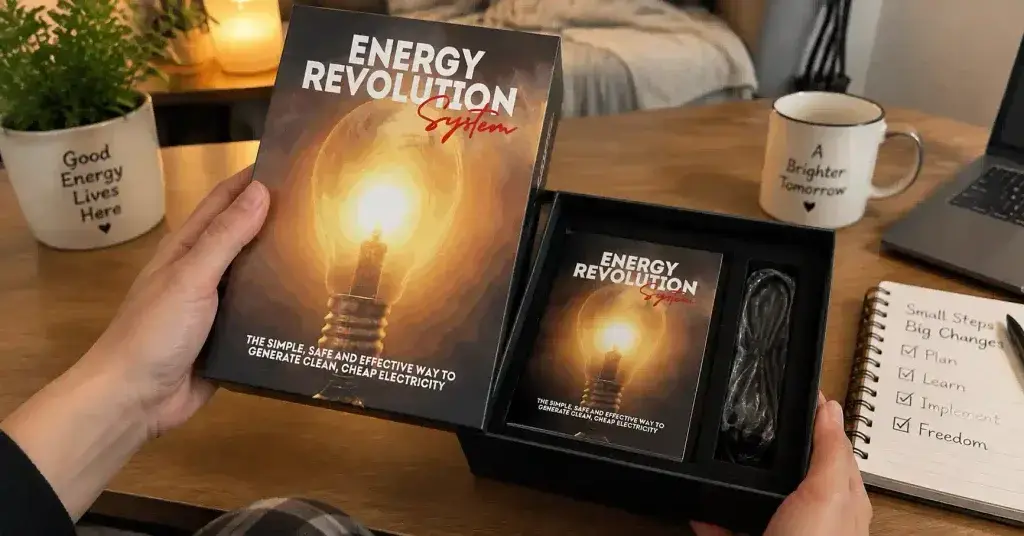
The Energy Revolution System is a digital program, not a physical device. You do not receive a generator in the mail. Instead, you download plans and training, then build the project yourself. Most reviews describe it as a DIY power generator blueprint with energy-saving advice attached.
Sales pages and reviews generally list these inclusions:
- A downloadable blueprint with diagrams and a parts list
- Step-by-step build instructions, sometimes with video walkthroughs
- Guidance on cutting household electricity use, such as reducing standby loads
- Bonus guides, such as maintenance tips and efficiency checklists
- Digital delivery, so you can start right after checkout
The program positions itself between a plug-in portable solar generator and a professionally installed rooftop system. In other words, it targets people who want a cheaper, hands-on path to energy independence. However, some promotional pages also borrow “free energy” language and Tesla-inspired stories. That framing deserves a careful look, which we provide below.
How You Receive and Use the Program
After checkout, you reach a download page. From there, you save the files to your computer or phone. Many builders print the diagrams and keep them in the workshop. Because the program is digital, you can start the same day.
Still, the build takes longer than the checkout. You must order parts, wait for delivery, then assemble and test everything. The exact time depends on your skills and on how easily you find the parts.
How Does the Energy Revolution System Work?
Reviewers describe a three-stage process. Please note that the full plans sit behind the paywall. As a result, this summary relies on reviews and promotional pages rather than the guide itself.
1. Education and Planning
The first modules teach the basics of home electricity. For example, you learn how to read your meter and estimate what your appliances use. Then you set a realistic goal for how much grid power you want to offset.
- Read your utility bill and understand kilowatt-hours
- Estimate the wattage of lights, fridges, pumps, and tools
- Pick one or two circuits to target first
- Match your plan to your budget and skill level
This stage matters more than it sounds. Without good numbers, you cannot tell whether any system helps. Before you spend money, write down your monthly kilowatt-hours for three months. That baseline lets you judge later whether anything changed. In addition, compare seasons, because summer cooling and winter heating swing bills a lot.
2. Build and Setup Process
Next comes the hands-on build. Reviews describe a small generator-style setup that uses common parts from hardware stores or online marketplaces. Typically, the design includes a motor or generator unit, a battery or storage bank, and basic power electronics. Some reviews describe a Tesla-inspired coil design at the center of the build.
- Source parts such as motors, wiring, controllers, and enclosures
- Assemble the unit using basic hand tools
- Add safety features, including fuses and proper grounding
- Test the output before powering any device
Reviews also mention load planning. In other words, you decide what the unit should power. A few lights or a small tool is a very different job than a refrigerator or well pump. Motor-driven loads can draw a big surge when they start, so they demand extra care. Start small, test often, and expand only after the basics work.
3. Optimization and Usage
Finally, the program pushes efficiency habits. Because these steps cost little, many buyers try them first. In fact, they are the most believable source of savings in the whole package.
- Switch to LED lighting and use smart power strips
- Unplug idle electronics to cut phantom loads
- Run heavy tasks at planned times
- Seal drafts and improve insulation to lower heating and cooling use
Tracking is the final piece. Log your meter reading on the same day each week, then compare it with your baseline. If your usage drops, you can see which habit caused it. If nothing changes after a few weeks, that is useful information too. As a result, you can ask for a refund before the window closes.
A Reality Check on the Physics
No generator creates energy from nothing. The law of conservation of energy says a motor or generator needs an energy input, such as fuel, wind, sunlight, or a charged battery. A device that puts out more power than it takes in, often called “over-unity,” has not been shown to work in credible independent testing. Even some friendly review pages admit that over-unity claims remain unverified.
Therefore, treat any promise of “free” electricity with strong skepticism. Real savings most likely come from efficiency upgrades, or from storing power drawn from another source. Ask yourself one simple question before you buy: where does the energy come from?
Current Pricing and Ongoing Costs
Reported Base Price
Most sources, including pages that quote the official offer, list a one-time front-end price of $39. They also show a crossed-out “regular price” of $149. However, a crossed-out price is a marketing device, so do not treat $149 as proof of a real discount. Several reviews say checkout runs through ClickBank, a large digital marketplace. We found no sign of a subscription for the core guide.
Upsells and Add-Ons
Digital offers often add extra pages after checkout. These “one-time offers” may include bonus training or upgraded plans. Decline anything you do not want, and read each page before you click. In addition, keep your receipt and download links.
Real Build Costs
The guide price is only the start. You also need to buy the hardware, and the total depends on your design and capacity. Plan for these items:
- Motors, generator units, or magnetic components
- Batteries or other energy storage
- Inverters, charge controllers, and switches
- Wiring, fuses, breakers, and safety enclosures
- Tools you do not already own
- A licensed electrician if you connect to your home panel
Because of these costs, think of the Energy Revolution System as a course plus a physical project. It is not a finished product, and it is not free.
Refund and Guarantee Details
The official offer, as quoted by review pages, advertises a 60-day money-back guarantee. Reviews also list a vendor support email for refund requests, so confirm that address on the official page. ClickBank’s own help center says buyers can request refunds through its customer support site, and it adds that sellers can set their own return terms. Therefore, read the guarantee wording at checkout. Note your purchase date and set a calendar reminder for day 45. That gives you time to test the plans and still ask for your money back.
Is the Price Worth It?
At a promotional price of $39, the guide itself is a small purchase. Compare that with the real cost: parts, tools, and your time. If you enjoy projects, the total may feel fair. If you want measurable bill cuts, the money may go further on an energy audit, LED bulbs, and a smart thermostat. In other words, judge the whole project, not just the download.
Key Features and Components
Independent reviewers describe a fairly consistent feature set. These are the items mentioned most often:
- Illustrated DIY generator blueprints with parts lists
- Beginner-friendly lessons on watts, volts, and household loads
- Safety guidance, including grounding and fusing tips
- Maintenance and troubleshooting notes
- Energy-saving checklists for lighting, appliances, and heating and cooling
- Printable pages you can keep in your workshop
Overall, the package blends education with a build project. For hobbyists, that mix can be fun and useful. For buyers who want a finished, certified product, however, it will feel incomplete.
Why the Education May Be the Best Part
Ironically, the least exciting feature may deliver the most value. Learning to read your meter, estimate appliance loads, and spot energy waste is useful for any homeowner. Those skills carry over to solar, batteries, and efficiency upgrades later. As a result, even buyers who never finish the build may still gain something practical.
That said, you can learn the same basics from free resources. The US Department of Energy and most utilities publish home energy guides at no cost.
What Buyers Often Expect but Do Not Get
Marketing can create wrong assumptions. Here is what reviews suggest you should not expect:
- A finished, ready-to-use generator
- Certified or UL-listed equipment
- On-site installation or live electrician help
- Proof of independent lab testing
- Utility approval or permit paperwork
None of these gaps is unusual for a digital guide. However, they matter a great deal if you pictured a finished home energy product.
Real User Results and Case Studies
What Reviewers Report
Online reviews describe results from “modest” to “dramatic.” Nearly all of them are anecdotal. For instance, some users say they noticed lower bills after they cut standby power and switched to LED bulbs. That outcome makes sense, because efficiency upgrades do reduce consumption.
- Small savings from efficiency habits are plausible
- Large savings, such as 50% to 80%, appear in marketing but not in verified data
- Results vary by home size, climate, and build quality
What We Could Not Verify
We found no independent lab test, audited case study, or verified before-and-after utility bill for this program. In addition, many top-ranking reviews look like affiliate pages. Some even appear in unrelated upload folders on other websites. Because affiliates earn commissions on sales, their reviews lean positive.
As a result, treat glowing testimonials as marketing, not proof. If you read a review that shows real meter readings and dates, give it more weight.
Learning Curve and Build Experience
Beginners should expect a learning curve. Anecdotally, people with basic tool skills finish builds more easily. Meanwhile, those new to wiring often need help from a friend or an electrician.
- Clear diagrams help, according to buyer comments
- Sourcing parts can take time in some areas
- Testing and tuning may take several attempts
Time is also a hidden cost. Reading the plans, ordering parts, building, and testing can fill many evenings. If you value your time highly, include it in your cost estimate.
Realistic Savings from Efficiency Steps
Efficiency is where real savings usually come from. The US Department of Energy and many utilities promote the same basic steps this program mentions. For example, LED bulbs use far less electricity than old incandescent bulbs. Smart power strips cut standby draw. Sealing air leaks reduces heating and cooling waste.
Each step helps a little. Together, they can make a visible difference over a year. However, the size of the gain depends on your home. A small apartment will save less than a large house with an old furnace. Importantly, you can take all of these steps without building anything.
Common Complaints and Potential Risks
1. Overhyped Marketing Claims
The biggest complaint involves exaggerated promises. Phrases like “cut your bill by 80%” set expectations that few households will meet. Moreover, the US Federal Trade Commission requires that advertisers back up their claims with evidence.
- Savings claims rarely come with verified data
- “Free energy” language conflicts with basic physics
- Ads often skip hardware costs and effort
Still, big marketing is not the same as fraud. Many sellers push large numbers to win clicks. The key is to ask for evidence. A claim backed by a dated meter reading deserves more trust than a claim backed by a smiling photo.
2. Technical Complexity
Even with clear diagrams, electrical work carries risk. Some buyers report trouble finding specific parts. Others feel overwhelmed by wiring steps. If you are not comfortable with tools, budget for professional help.
- Parts can be hard to find locally
- Wiring diagrams confuse first-time builders
- Final connections may require a licensed electrician
In addition, parts availability changes by region. A motor that looks cheap online may ship slowly or arrive different from the picture. Therefore, read the parts list early and price everything before you commit.
3. Customer Support and Refunds
Support experiences vary. Some buyers describe easy refunds. Others complain about slow replies or confusion over who to contact. One review also notes that the creator appears anonymous. For this reason, always confirm the seller and refund terms before you pay.
- Check the refund window on the official checkout page
- Request refunds through the payment platform, not random websites
- Save every receipt and email
Finally, document everything. Take screenshots of the sales page, the guarantee wording, and your order confirmation. If a dispute arises, those records make your case much stronger.
4. Safety and Compliance
Homemade power systems can start fires or shock users if built wrong. Therefore, safety deserves top priority. In the US, most areas follow the National Electrical Code, and many require permits and inspections for changes to home wiring.
- Never connect a homemade source to your panel without approval
- Backfeeding power into utility lines can endanger line workers
- Homeowner insurance may not cover unapproved electrical work
- Use parts with recognized safety listings, such as UL
Local rules differ, so ask your city or county building department what applies to you. A quick phone call costs nothing, and it can save you from fines or a failed inspection later.
Pros and Cons of the Energy Revolution System
Here is a balanced summary based on what reviews and public information show.
Advantages
- Low entry price for the digital guide
- Useful lessons on measuring and reducing household energy use
- A hands-on project for DIY fans and hobbyists
- Efficiency tips that can lower bills at little cost
- Flexible, small-scale design you can expand over time
Disadvantages
- Marketing claims run far ahead of the evidence
- Over-unity or “free energy” ideas conflict with established physics
- Hardware, tools, and possible electrician fees add real cost
- Safety and code compliance fall on you
- Support quality varies, and many reviews come from affiliates
Taken together, the pros fit hobbyists, while the cons hurt anyone who wants fast savings. In short, the program’s value depends far more on your goals than on the product itself.
Who Is the Energy Revolution System Best For?
Ideal Buyers
This program fits a narrow group of people. For example, it suits tinkerers who enjoy learning, rather than buyers who want guaranteed savings.
- DIY hobbyists who like electrical and mechanical projects
- Homeowners who want to learn how their power use works
- Workshop owners who want to experiment with small, low-risk loads
- Buyers who accept the risk and will use the refund window if needed
Who Should Probably Avoid It
Other buyers will likely end up frustrated. In particular, anyone expecting a quick bill cut should look elsewhere.
- Anyone expecting a plug-and-play device
- People who do not want to work with tools or wiring
- Renters who cannot change a property’s electrical setup
- Buyers who want certified, warrantied equipment
For these groups, a reputable solar installer, a UL-listed portable power station, or a utility energy-efficiency program is usually a safer choice.
A Simple Way to Decide
Ask yourself three questions. First, do I enjoy building things? Second, can I afford to lose the money if the project fails? Third, will I follow electrical safety rules even when they slow me down?
If you answer yes to all three, the program may suit you. If you answer no to any, choose a ready-made option instead. Finally, remember the refund window as your safety net, and use it if the plans do not match what you were promised.
Comparison With Alternatives
Versus Portable Solar Generators
Portable solar generators are all-in-one battery and inverter units. They are quiet, safe, and easy to use. In addition, most carry safety certifications and a manufacturer warranty. However, they cost more per unit of stored energy, and they work best for camping, RVs, and short outages.
The Energy Revolution System takes a different path. It costs less upfront but demands your time, skill, and risk tolerance. Also, it lacks the testing and warranty that come with a branded power station.
Versus Rooftop Solar
Rooftop solar produces real power from sunlight. Professional installers handle permits, safety, and utility connection. As a result, you get long warranties and a system built to code. On the other hand, the upfront cost is high, and payback can take years. Incentives change, so check current federal and state programs before you decide.
The Energy Revolution System cannot match this output or reliability. Instead, think of it as a small experiment, not a replacement.
| Feature | Energy Revolution System | Portable Solar Generator | Rooftop Solar |
|---|---|---|---|
| What you get | Digital plans plus DIY parts | Ready-made power station | Professional installation |
| Upfront cost | Low guide price plus hardware | Moderate | High |
| Skill needed | Moderate to high | Very low | None (installer does the work) |
| Safety certification | Depends on your build | Usually listed and tested | Code inspected |
| Warranty | Refund window only | Manufacturer warranty | Long equipment and labor warranties |
| Proven energy source | Unverified | Sun or wall charging | Sunlight |
How to Choose Between the Three Options
Your goal should drive the choice. If you want backup power for a few devices during an outage, a portable power station is the simplest fit. If you want to cut your monthly bill in a big way, rooftop solar or a utility efficiency program has a proven track record. If you want to learn and tinker on a small budget, the Energy Revolution System may appeal, as long as you accept the risks.
Meanwhile, you can mix approaches. For instance, start with free efficiency steps today. Then make bigger purchases later, using real data from your own meter.
How to Buy Safely and Avoid Imitations
Because the product is popular, many look-alike pages and affiliate sites now promote it. Some buyers report confusion about which one is genuine. Use this checklist to protect yourself:
- Go to the official checkout page, not a random review link
- Confirm the refund policy and support contact before paying
- Check that the payment platform shows a recognized processor
- Skip free “PDF download” sites, which often hide malware or outdated files
- Decline upsells you do not need
- Save your receipt, download links, and confirmation emails
- Use a credit card, which gives you stronger dispute rights
If you plan to request a refund, start early. Reviews and the official offer advertise a 60-day window, which matches ClickBank’s standard, but sellers may set their own terms. Always check the exact wording at checkout.
Red Flags on Sales Pages
Many promotional pages use the same tricks. Watch for these warning signs, because they show up across the whole category of free-energy guides:
- Countdown timers that reset when you reload the page
- Claims that power companies hide a “secret”
- Savings numbers with no source or date
- Testimonials with no full names or verifiable details
- Pressure to buy “today only”
- Missing company name, address, or support email
One or two red flags do not prove a scam. However, several together should make you pause and verify everything.
Safety Tips for Any DIY Home Energy System
Whether you try this program or another one, safety comes first. Follow these best practices:
- Never bypass fuses, breakers, or grounding
- Use cables, connectors, and enclosures rated for the load
- Keep water, flammable items, and children away from the project
- Add a properly sized fuse or breaker at the battery
- Never backfeed your home panel without a licensed electrician and utility approval
- Check local codes and permit rules before you start
- Keep a fire extinguisher rated for electrical fires nearby
When in doubt, stop and call a professional. A small project is never worth a house fire.
What to Ask a Licensed Electrician
A short consultation can prevent expensive mistakes. Bring your plans and ask these questions:
- Does my area require a permit for this project?
- How should the unit be grounded?
- What fuse or breaker size fits the battery and wire?
- Can the unit stay fully separate from my main panel?
- Does my utility need to know about it?
The answers vary by city and utility, so local advice beats any online guide.
Frequently Asked Questions About the Energy Revolution System
Is the Energy Revolution System a scam?
It appears to be a real digital product, so most reviews say it is not a pure scam. However, its biggest claims lack independent proof, and “free energy” ideas conflict with physics. Therefore, treat it as a low-cost DIY experiment, not a guaranteed money saver.
Does it really cut my electric bill by 80%?
No credible, independent evidence supports an 80% cut. Efficiency steps, such as LED bulbs and reduced standby power, can lower bills modestly. In contrast, big savings usually need real power sources, like solar panels. Results also vary by home.
Do I need technical skills to use it?
You do not need to be an engineer, but you should be comfortable with basic tools and safety rules. Beginners often need help with wiring. In addition, a licensed electrician should handle any connection to your home panel.
Can I get a refund?
The official offer advertises a 60-day money-back guarantee, which matches ClickBank’s standard policy. Still, terms can differ by seller. Read the refund policy at checkout, and request your refund through the payment platform’s support page if you need one.
Can it replace solar panels or run my whole house?
No. Reviews describe small-scale setups for lights, tools, or selected circuits. A full home needs a proven power source and a professional, code-compliant installation. For that reason, rooftop solar or a UL-listed battery system remains the safer option.
Is it safe to connect it to my home electrical panel?
Not without professional help. Connecting a homemade source to your panel can create shock, fire, and backfeed risks. Check local codes, talk to your utility, and hire a licensed electrician before you connect anything.
Final Verdict: Is the Energy Revolution System Worth It in 2026?
The Energy Revolution System can be worth a small gamble for the right buyer. If you enjoy DIY projects, want to learn about home electricity, and accept the risks, the low guide price and refund window limit your downside. Meanwhile, the efficiency lessons alone may help you trim your usage a little.
However, you should probably skip it if you want fast, large savings or a safe, certified system. The 80% claim lacks independent proof, and over-unity promises clash with basic physics. In those cases, a trusted solar installer, a certified power station, or a utility efficiency program offers better value.
In short, approach Energy Revolution System reviews with healthy skepticism, including this one. Verify the price and refund terms yourself, start with the free efficiency tips, and never skip electrical safety. If you decide to try it, treat it as a learning project, not a way out of your power bill.
Your best next step is simple. Before you pay anyone, measure your current usage and try the free efficiency steps. Then check the official checkout page for price and refund terms. With real numbers in hand, you can judge any energy product, including this one, on facts instead of promises.
Check the current price and refund terms on the official Energy Revolution System page before you decide.
Disclosure: This post contains affiliate links. If you buy through them, we may earn a commission at no extra cost to you. Our review stays independent and honest regardless.