
Lottochamp reviews are everywhere right now. Search the name, and you will find dozens of pages promising smarter picks and a risk-free trial. However, many of those pages exist to earn sales commissions, not to inform you.
This review takes a more careful path. It explains what Lottochamp is, what it costs, and what the evidence does and does not support. It also compares the software with free options, such as a Quick Pick or a lottery pool. If you are a US player wondering whether this AI lottery software is worth your money, this guide is for you.
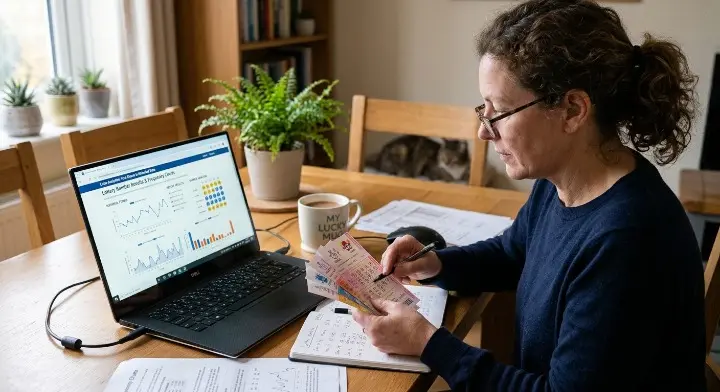
What Is Lottochamp?
Lottochamp is a digital product sold to lottery players. The official sales page calls it an “advanced AI-powered tool” that offers personalized number suggestions. You use it through a members area in your web browser, so you do not install a program. It does not sell lottery tickets, and it does not run any lottery game.
Here is what the official page says you get:
- A number generator: you enter details, and the tool returns strings of suggested numbers.
- Personalized inputs: the FAQ mentions your game, your ZIP code, the date, and your budget.
- A members area: this is where you log in and generate your numbers.
- Two bonus guides: “Wealthy & Lazy” and “Ultimate Wealth Guard.”
- Lifetime membership: the page promises future updates at no extra cost.
- A 60-day refund promise: the vendor calls it “iron-clad.”
In terms of market position, Lottochamp is a direct-response product. In other words, it relies on strong sales copy and affiliate promotion. The sales page highlights phrases such as “maximized winning odds” and “enhanced winning potential.” As a result, many reviews repeat those claims without testing them. Other tools, from number trackers to free statistics sites, compete for the same buyers.
Here is the key fact for any reader. Lottery drawings are random. Therefore, no tool can predict the next result, and honest sellers should say so clearly.
How Does Lottochamp Work?
The official page describes a three-step process. It says the tool is easy enough for a beginner. Below is how each stage works in practice, plus what you should add yourself.
1. Education and Planning
Before you generate any numbers, decide what you want to play and how much you can afford. For example, you might choose Powerball, Mega Millions, or a state daily game. This planning step matters more than any software feature. In addition, it protects you from impulse spending.
- Choose one or two games instead of every game.
- Set a weekly spending limit before you open the software.
- Skim the bonus guides, because they explain the vendor’s thinking.
2. Setup and Number Generation
Next, you enter your details. According to the sales page, the first step asks which game you want to play and when. The FAQ also lists your ZIP code, the date, and your budget. The “AI-powered analysis” step then produces tailored sets of numbers.
- You pick a lottery game inside the members area.
- You enter your date, location, and budget.
- The tool returns suggested number sets, which it presents as personalized.
3. Optimization and Usage
Finally, you buy tickets yourself, either at a retailer or through your state lottery’s official app. Lottochamp does not purchase tickets for you. Consequently, your results depend on luck and on how carefully you manage your spending. Many users say the tool mainly gives them a routine.
- You buy the suggested numbers through a legal US ticket seller.
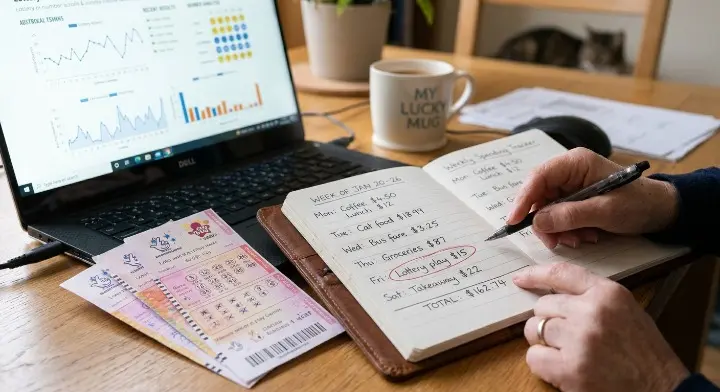
- You track spending and prizes in a simple notebook or spreadsheet.
- You review your totals after a few weeks, then decide whether to continue.
Notably, the vendor does not publish how its AI works. Without a public method, you cannot check what “analyzing data and patterns” really means. Because past draws do not influence future draws, the analysis can describe history but cannot forecast anything.
Lottochamp Reviews: Current Pricing and Ongoing Costs
The official sales page presents Lottochamp as a one-time “lifetime membership.” At the time of writing (October 2026), the price shown at checkout is $197. The page says there are no monthly fees, and it says the price on the checkout page is the only price you pay.
However, the page also shows a crossed-out “regular” price of $970. Large “original” prices are a common marketing tactic. In addition, the FTC’s pricing guidance says a “regular” price should be one at which the product was genuinely sold. Because no evidence supports the $970 figure, treat the 80% “discount” as a sales message, not a real saving. Here are the main cost points to know:
- One-time payment: the official page says there is no subscription.
- Retailer: ClickBank handles the sale, according to the page footer. However, ClickBank states that its role does not endorse the product or its claims.
- “Free” bonuses: the page advertises two guides as a “$290 value,” or $145 each. Because no one sells them separately, that value is hard to prove.
- Possible upsells: the official sales page does not mention extra offers. However, at least one affiliate review lists add-ons, including a monthly membership [VERIFY]. Therefore, decline every add-on until you finish your first review, and read each checkout screen carefully.
- Ticket costs: the software never reduces what you spend on tickets. For example, $10 per week adds up to $520 per year.
- Payback math: $197 equals about 19 weeks of $10 tickets. Therefore, the software costs as much as several months of play before you buy a single ticket.
Refund Policy: What the Official Page Says
The vendor promises a 60-day money-back guarantee. Its refund page explains how to claim it. In addition, it sets a few conditions you should know before you pay.
- Request by email: write to support with “Refund Request” in the subject line.
- Include your details: add your full name and order number.
- Watch the start date: one step says 60 days from account creation, while another says from purchase. As a result, use the earlier date.
- Expect a wait: refunds usually take 5 to 10 business days.
- Know the trade-off: you lose software access once the refund is processed.
Notably, the page suggests trying the software for at least one month before asking. That advice may be fair, but it also shortens your safe window. Therefore, set a calendar reminder for day 30 and decide then.
Key Features and Components
The official page and most reviews describe a short feature list. Here is what buyers can expect:
- Data-based suggestions: the tool says it studies data and patterns to build number sets.
- Personalized input: your game, date, ZIP code, and budget shape the output.
- Real-time updates: the page lists this as a benefit, although it gives no detail.
- Exclusive members area: you log in to generate numbers from any device with a browser.
- Beginner-friendly design: the vendor says the three steps are easy for anyone.
- Two bonus guides: they cover money habits, saving, and tax topics.
- Future updates: new accounts receive updates at no charge, according to the page.
These features are fairly standard for this type of product. However, “AI” is a broad label, and the vendor offers no audit or public test. For that reason, the interface may help you organize your choices, but the promise of an “edge” remains unproven. Moreover, the sales page lists “maximized winning odds” as a feature. That phrase conflicts with how random drawings work.
Lottochamp Reviews: Real User Results and Case Studies
Honest results are hard to find. No independent, audited study of Lottochamp appears in my research. Therefore, everything in this section describes patterns in anecdotal reports, not proof.
Reported Savings or Outcomes
Some user comments say the software helped them win small prizes. For instance, one review claims it increased small-to-medium wins. Yet that claim is anecdotal, and the same page notes no jackpot. Small prizes also happen with random picks, so a few wins prove very little.
- Reported outcomes focus on small prizes, not large jackpots.
- No source shows verified ticket records or long-term spending totals.
- Therefore, you should not expect to earn back the purchase price.
The vendor’s refund page also says many customers love sharing “exciting wins.” However, it shows no examples. Because testimonials on sales pages can be cherry-picked, treat them as marketing, not evidence.
Use Cases
People seem to use Lottochamp in a few ways. Casual players like having a system for choosing numbers. Others use it for fun with friends or family. In addition, some players want an easy way to avoid birthday numbers, which many people pick.
- Casual players who want a routine for weekly tickets.
- Hobbyists who enjoy looking at number patterns for fun.
- Players who want to avoid popular number choices, which may reduce the chance of splitting a prize.
The last point deserves a clear note. Picking less common numbers does not raise your chance of winning. It may only affect how many people share a prize if you do win.
Learning Curve
Most reviewers call the tool easy. You enter a few details, press a button, and copy the numbers. However, the bonus guides take more time to read. Because they mix money tips with big promises, the useful parts are short.
Lottochamp Reviews: Common Complaints and Potential Risks
Every product has weak points. In this case, the main risks involve expectations, not software bugs. Let us look at four areas that matter most.
1. Overhyped Marketing Claims
The loudest complaint is exaggeration. Many pages use phrases such as “AI prediction” and “smarter wins.” A fair review must say that lottery drawings are random and that software cannot predict them. Even some promotional reviews admit this point.
- “Maximized winning odds” and “enhanced winning potential” appear on the sales page without evidence.
- The refund page mentions customer “wins,” yet it shows no verified examples.
- The crossed-out $970 “regular” price has no visible support.
- Therefore, treat any win story or discount as marketing, not data.
2. Technical Complexity
Setup is not hard, but the output can confuse new users. For example, any list of “hot” or “cold” numbers sounds meaningful. Still, each drawing is independent, so those labels do not change your odds. Beginners may therefore read more into the numbers than the math allows.
- Pattern-based suggestions can create a false sense of control.
- Instructions for login and access vary between reviews, so use the official members area.
- The vendor does not explain its method, so you cannot check the logic.
3. Customer Support and Refunds
The refund promise is the strongest part of the offer. Still, the official terms contain a timing conflict. One step counts 60 days from account creation, and another counts from the original purchase. Because of this, you should request any refund early.
- Email support with “Refund Request” in the subject, plus your name and order number.
- Save your confirmation email, since it shows your account creation date.
- If the vendor does not answer, contact ClickBank order support at 1-800-390-6035 or ask your card issuer.
- Remember that you lose access once the refund is processed.
4. Safety and Compliance
The product is not a lottery, so it does not break gambling law by itself. Even so, safety still matters. Lottery play carries a real risk of overspending, and some buyers chase losses. In addition, the Federal Trade Commission (FTC) requires that endorsements and reviews be honest and that paid relationships be disclosed. Many Lottochamp reviews skip that disclosure.
- Set a firm monthly lottery budget.
- Never borrow money to play.
- Be careful with pages that hide affiliate links.
- Watch for age rules, because lottery players must be 18 or 21 depending on the state.
One more warning applies to the bonus guides. The second bonus promises ways to “legally hide” money from the government, including offshore banking and anonymous accounts. In the US, foreign accounts can trigger IRS reporting rules, such as FBAR and FATCA filings. Therefore, ask a licensed CPA before acting on any such advice. In short, treat the bonuses as general reading, not tax guidance.
Pros and Cons
After weighing the claims and the risks, here is a quick summary.
Advantages
- Simple to use: the official page describes three easy steps in a browser-based tool.
- One-time price: the vendor says there are no monthly fees or hidden charges.
- Refund promise: a 60-day window lowers the financial risk, if honored.
- Structure: some players like having a repeatable routine.
- Bonus material: the guides may teach basic budgeting, although they also contain risky ideas.
Disadvantages
- No proven edge: no independent study shows better results than random picks.
- Heavy affiliate marketing: many reviews appear written to sell, not to inform.
- Inflated “regular” price: the $970 crossed-out price has no visible support, so the discount may be a sales tactic.
- Conflicting refund dates: the vendor’s own page lists two start dates.
- Ticket costs remain: the software never reduces what you spend on tickets.
Who Is Lottochamp Best For?
The product suits a narrow group. If you view it as entertainment, it may make sense. If you view it as an investment, it will not.
Ideal Buyers
- Casual players: you buy a few tickets each week and want a routine.
- Number hobbyists: you enjoy statistics and patterns for fun.
- Budget-conscious buyers: you set a strict limit and can handle a refund process.
- Skeptical testers: you plan to use the 60-day window and record everything.
Who Should Probably Avoid It
- Anyone expecting guaranteed wins: no software can deliver that.
- People with money stress: lottery spending may make problems worse.
- Players who chase losses: a “system” can encourage more spending.
- Anyone with gambling concerns: extra tools are not a good idea.
If you fall into the second group, a free Quick Pick or a small office pool is a far better fit, and talking with a counselor is better still.
Comparison With Alternatives
Two alternatives matter most. One is the free Quick Pick, and the other is a lottery pool. Both cost less than the software, and both are easy to find.
Lottochamp Versus Quick Pick
A Quick Pick is a random selection made by the lottery terminal. It costs nothing extra, and it has the same odds as any other combination. For example, the Powerball jackpot odds are about 1 in 292 million, no matter how you choose. Therefore, a paid generator does not beat a free one on odds.
- Quick Pick is free and instant.
- Lottochamp adds a $197 purchase price and a learning step.
- Both rely on pure chance for the final result.
Lottochamp Versus a Lottery Pool
A pool lets several people share the cost of many tickets. In this case, your group holds more entries together. However, you also split any prize. Unlike software, a pool does change how many tickets you hold, so it can feel more meaningful.
- A pool spreads the spending across several people.
- It requires clear written rules to prevent disputes.
- Prize splitting is the trade-off.
| Option | Upfront Cost | Effect on Odds | Effort |
|---|---|---|---|
| Lottochamp | $197 one-time (checked October 2026) | None proven | Low to medium |
| Quick Pick | $0 | None | Very low |
| Lottery pool | Shared ticket costs | More tickets, shared prize | Medium |
How to Buy Safely and Avoid Imitations
Because Lottochamp is heavily promoted, copycat pages and fake “free” downloads exist. Use this checklist before you pay:
- Beware of lookalike sites: the product appears under several web addresses, and some are affiliate or copycat pages. Therefore, start from the vendor’s own checkout and confirm the retailer name (ClickBank) before you enter payment details.
- Use the official checkout: go directly to the seller’s page, not a random review link.
- Read the refund policy: confirm the start date and the process before you pay.
- Save your receipt: keep the order number, confirmation email, and a screenshot of the offer.
- Avoid free reuploads: cracked copies or “free access” files may carry malware.
- Decline extras at first: you can add upsells later if you really want them.
- Use a credit card: US card protections make disputes easier than with debit.
In addition, remember that the seller and the payment retailer are separate companies. ClickBank says its role does not equal an endorsement of the product’s claims. Therefore, a trusted checkout page does not prove the software works.
Safety Tips
Playing the lottery should stay fun. These habits help you keep it that way:
- Set a weekly cap: decide the amount before you play, and stick to it.
- Treat tickets as entertainment: think of the money as spent, not invested.
- Never chase losses: a bad week does not make a win more likely next week.
- Beware of prize scams: the FTC warns that real lotteries never ask winners to pay fees upfront.
- Protect your login: use a unique password for the members area.
- Know where to get help: in the US, the National Problem Gambling Helpline is 1-800-GAMBLER (1-800-522-4700).
Frequently Asked Questions
Is Lottochamp a scam?
There is no clear evidence that Lottochamp is a fraud. It appears to be a real digital product sold through ClickBank with a stated refund policy. However, its marketing can mislead, because no software can predict random drawings. In short, the product looks real, while its “winning odds” language is overstated.
Does Lottochamp really deliver the advertised results?
No independent evidence shows that Lottochamp improves your chances of winning. Lottery draws are random, so past numbers cannot forecast future ones. Any small wins reported by users are anecdotal and could happen with random picks.
Do I need technical skills to use Lottochamp?
No, you do not need technical skills. The official page describes three simple steps, and reviewers call the tool easy. You enter your game, date, and budget, copy the numbers, and buy tickets yourself.
How much does Lottochamp cost?
At the time of writing, the official checkout shows a one-time price of $197 for lifetime access. The page also displays a crossed-out $970 “regular” price, which this review could not verify. The vendor promises no monthly fees, but tickets and any add-ons cost extra, so prices may change.
Is there a Lottochamp refund policy?
Yes. The official page promises a 60-day money-back guarantee. You request it by email with your name and order number, and refunds usually take 5 to 10 business days. However, the policy gives two start dates, account creation and purchase, so request early.
Does Lottochamp work for Powerball?
It may generate Powerball number sets, but it cannot improve Powerball odds. Powerball is a random drawing with jackpot odds of about 1 in 292 million. As a result, every combination has the same chance, including one from software.
Final Verdict: Is Lottochamp Worth It in 2026?
Lottochamp may suit casual players who enjoy a routine and who treat lottery play as entertainment. If you like simple tools and a refund safety net, you may find some value. Still, that value comes from convenience, not from better odds.
On the other hand, you should skip it if you expect guaranteed wins or if money is tight. The same applies if you feel pressure to recover past losses. Free Quick Picks give you the same odds without the $197 purchase, and a small pool can stretch your tickets further.
In the end, these Lottochamp reviews point to one honest conclusion: the software is a number organizer, not a prediction engine. If you decide to try it, read the refund terms, decline any add-ons at first, and set a spending limit. That approach lets you test it carefully and walk away without regret.
Disclosure: This post contains affiliate links. If you buy through them, I may earn a commission at no extra cost to you. The commission does not change my findings.