Affiliate Disclosure: We may earn a commission if you buy through links on this page, at no extra cost to you. This never changes our honest assessment of a product.
If you are searching for Self Sufficient Backyard reviews, you are probably wondering whether this homesteading book is worth your money. The Self-Sufficient Backyard is a guide by Ron and Johanna Melchiore that covers water, food preservation, off-grid power, and greenhouse growing. In this Self Sufficient Backyard review, we look at what is inside, what buyers say, how the two $37 options differ, and what the bonuses include. We also cover the refund terms and the real drawbacks, so you can decide with clear eyes.
Brand Highlights
Editorial Rating: 3.9 / 5.0
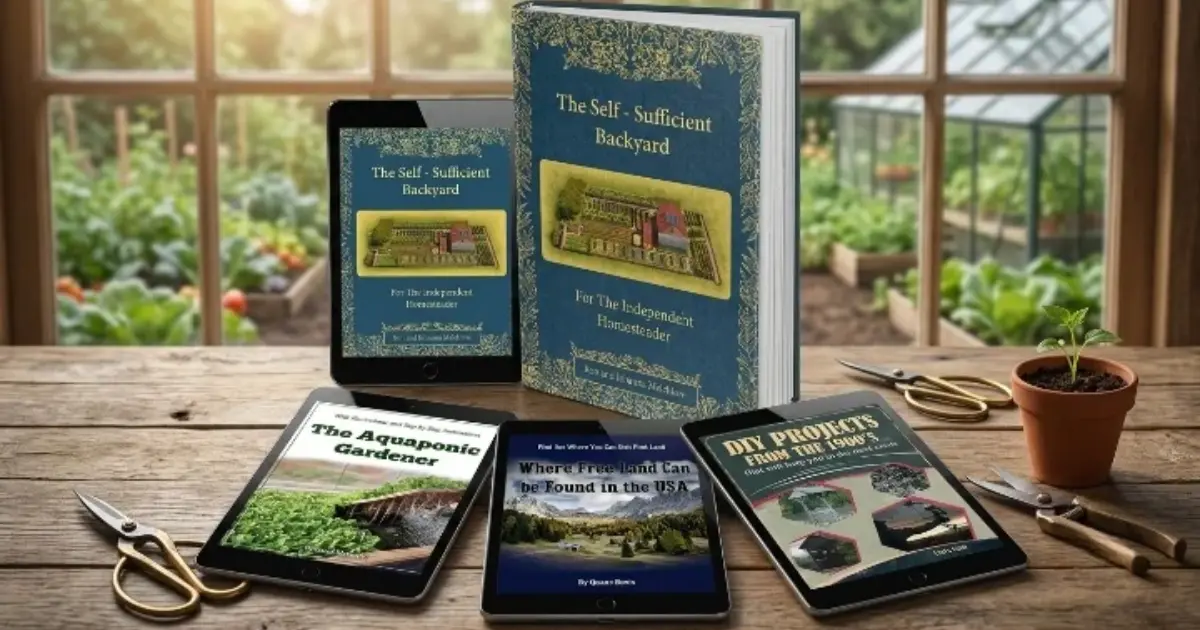
Self Sufficient Backyard Product Box
Product: The Self-Sufficient Backyard (physical and digital, or digital only)
Price: $37, plus $9.99 shipping and handling for the physical and digital option
Here are the key facts at a glance.
- Product Name: The Self-Sufficient Backyard: For The Independent Homesteader
- Type/Format: Two options: a printed book plus a digital copy, or a digital book only. Both include three digital bonus guides.
- Key Topics: Water collection, food preservation without refrigeration, hybrid home power, greenhouse growing, chickens, and a planting calendar
- Benefits: It may help beginners plan a backyard homestead and learn practical DIY skills
- Typical Use: Read at your own pace, then add projects in stages
- Authors/Publisher: Ron and Johanna Melchiore; the page says the printed book is made in the USA and lists ClickBank as retailer
- Guarantee: Money-back guarantee, which the official page describes as 60 days
- Best For: Beginners and suburban homeowners who want a broad starting plan
- Bottom Line: A broad, practical overview at a modest price, paired with sales-page claims you should read with caution
Editorial Rating Breakdown
We scored four areas. Each score reflects what we could verify.
- Content Depth & Clarity: 4.2/5. The topic list is wide, and buyers praise the photos, diagrams, and plain language.
- Value for Cost: 4.0/5. At $37 with three bonuses and a refund window, the price is fair, although the “total value” figures are the publisher’s own.
- Authors & Publisher: 4.0/5. The authors share decades of off-grid experience, although we could not verify formal credentials.
- Safety Information: 3.5/5. Many projects involve electricity, water, and food storage, so readers still need local codes and licensed help.
What Is Self Sufficient Backyard?
Self Sufficient Backyard is a homesteading book by Ron and Johanna Melchiore. The authors say they have lived off the grid for about 40 years. The book combines a sample backyard layout with many DIY projects for growing food, storing water, and producing power.
It works as a planning and how-to resource. However, it complements sound gardening practices, local guidance, licensed professionals, and local codes. It does not replace them. For example, you should still hire a licensed electrician for any wiring work.
Self Sufficient Backyard Customer Reviews: What Are Customers Saying?
We looked at two kinds of feedback. First, we checked public reviews on outside sites. Then we added reviews shown on the official website. We reproduced the official-page reviews word for word and did not edit them.
What Public Reviewers Say
A reader on Goodreads wrote in 2021 that the book is nice but a bit oversold. That reviewer described it as a general overview and found the garden planning section most useful. In contrast, a blogger at Mission Endure 70 liked the many photos and the authors’ willingness to share their mistakes. A Mother Earth News store listing showed five reviews, with four of them at five stars. A Walmart listing showed 3.7 stars from seven ratings. These samples are small, so treat them as hints rather than proof.
Reviews From the Official Website
The official page shows buyer reviews with a “Verified Buyer” label, a helpful-vote count, and a short highlight tag. We captured the six reviews below on November 11, 2026. The site shows relative dates, such as “3 days ago”, so we repeat them as shown. Keep in mind that a company chooses which reviews to display on its own site.
“Living at high altitude in Colorado presents unique challenges, and this book addressed most of them. The food preservation and root cellar sections were especially useful for our cold winters. I wish there was a bit more on high-altitude gardening specifically, but overall the information has been invaluable for our homestead.”
— Michelle Pugh, Colorado | 4 stars | Verified Buyer | “1 week ago” | 73 helpful votes | Tag: Great for mountain living
“This is a wonderful book filled with proven suggestions and creative ideas. There are pictures and helpful diagrams, and information that can help you for years to come. I’m happy I bought this book – the writing style is well done and I enjoy reading it and rereading it!”
— Rebecca Polius, Oregon
“Even after setting up my first barrels, I realized I was about to make some serious mistakes with the plumbing and overflow. This guide pointed them out immediately. Ron and Johanna explain things clearly and practically, from real experience, not theory. It saved me time, money, and a lot of frustration. Straight to the point and packed with details you actually need. This is the real deal.”
— Roy J Surita, Arizona
“The Self-Sufficient Backyard is a significant contribution to sustainable living literature. It strikes the right balance between being educational and practical. Would I recommend this book? Absolutely. The information is spot on, the projects are easy to understand and the visuals are incredibly helpful.”
— Emily Elizabeth, Vermont
“My husband and I bought 60 acres in Kentucky and have been moving towards homesteading. IT IS EXACTLY WHAT I WAS LOOKING FOR! Well written, easy to understand, lots of pictures, honest information and covers every topic for homesteading! Thanks to this amazing couple for everything they have accomplished!”
— Courtney Collins, Kentucky
“I was intimidated by the idea of doing such complex projects from scratch (solar panels were such a headache), but thanks to the clear and well-detailed steps we managed to mount several on our roof. Our next challenge is the hot water system! If you are a prepper, survivalist, or off-grider, this book is for you!”
— Josh Flinch, Montana
Common Praise
Buyers who liked the book mentioned these points most often.
- Clear photos and diagrams: Several buyers said the visuals help them follow the projects.
- Practical, honest advice: Buyers described the writing as plain, easy to understand, and based on real experience.
- Broad scope: In addition, readers liked having water, food, power, and animals in one place.
Common Complaints
On the other hand, some feedback pointed to limits.
- Regional gaps: One Colorado buyer wanted more high-altitude gardening advice.
- General overview: A Goodreads reader found it broad rather than deep.
- Heavy marketing: The sales page makes big claims that the book may not match.
Check Price on Official Website
How Does Self Sufficient Backyard Really Work?
The book works like a long homesteading manual. You read a section, choose a project, and build it over time. The authors say you can start small and add projects in stages, even if you only have an hour a week.
The official page also says you do not need special skills, a large budget, or much land. We cannot verify those claims for every reader. However, the staged approach does make the program easier to try without a big upfront commitment.
3 Key Ways Self Sufficient Backyard Is Designed to Work
The program rests on three main ideas.
- Whole-property planning: First, it shows a sample quarter-acre layout that readers can scale up or down.
- Project-by-project guidance: In addition, it offers DIY builds such as greenhouses, water tanks, and chicken coops.
- Seasonal routines: Finally, it includes a 12-month planting calendar to help you time your crops.
Note: Results depend on climate, soil, space, budget, local rules, and effort. Moreover, the authors’ own experience in Canada does not automatically apply to your property.
Self Sufficient Backyard Contents: What’s Inside?
The official page lists many topics. Below we group the main ones. The publisher describes the content, so we treat those descriptions as claims, not proof. Where a government or university source exists, we link to it so you can compare.
1. Backyard Layout and Planning
The book opens with a sample plan for a quarter-acre lot. The publisher says one person needs only about 1,020 square feet to grow enough food, but we could not verify that figure. Space needs vary with climate, diet, and skill. Therefore, use the layout as a starting idea and adjust it to your own yard.
2. Soil Testing and Growing Methods
This part covers a mason jar soil test, straw bale gardening, raised beds, and companion planting. The jar test separates sand, silt, and clay so you can see your soil type. University extension programs describe the same basic method. However, a jar test shows texture only, not nutrients, so a lab test still adds useful detail.
Source Reference: Colorado State University Extension: Estimating Soil Texture
3. Year-Round Greenhouse
The publisher says you can build a self-sustaining greenhouse anywhere in America. It also describes using stable ground temperatures to help warm the space. A greenhouse may extend your growing season. Even so, results depend heavily on your local climate, so the “anywhere” claim deserves caution.
4. Water Collection and Independent Water
The book shows how to collect and store rainwater for irrigation and how to set up other water sources. Rainwater harvesting is a long-established practice, and the EPA notes that it can reduce stormwater runoff. Rules differ by state and city, though. In addition, water for drinking needs proper filtering and testing.
Source Reference: U.S. EPA: What Is Green Infrastructure? (archived January 2021 snapshot)
5. Hybrid Home Power and Hot Water
The book outlines a hybrid electricity setup with batteries, a controller, and an inverter. It also describes a hot water system that runs from cooking or heating. The U.S. Department of Energy explains that hybrid solar and wind systems may offer advantages over a single source. Nevertheless, electrical and plumbing work carries real risk. As a result, a licensed professional should review these projects, and permits may apply.
Source Reference: U.S. Department of Energy: Hybrid Wind and Solar Electric Systems (archived page)
6. Food Preservation and the Earth Refrigerator
The book covers storing eggs, vegetables, fruits, and meats without a refrigerator. It also describes an earth refrigerator for storing harvests. Food safety matters here, because poor storage can cause illness. Therefore, compare any method with tested guidance before you try it.
Source Reference: National Center for Home Food Preservation (USDA-funded)
7. Chickens and Small Livestock
The program includes a chicken coop section and tips for raising hens. The publisher also makes egg-laying claims, but we could not verify them. Local zoning may limit flock size, roosters, or coop placement. Because of that, check your local rules before you build.
Source Reference: University of Arizona Extension: Can I Have Chickens on My Property?
Contents Summary
Overall, the book covers many areas in one resource. The depth of each section likely varies, as some buyers noted. A 12-month planting calendar and the layout plan tie the topics together.
Takeaway: it is wide rather than deep, which suits beginners best.
Potential Benefits of Self Sufficient Backyard
Used wisely, the book may offer several benefits.
Key Benefits
- Clear starting point: It may help beginners see what a backyard homestead involves.
- Practical DIY ideas: For example, many projects use simple, low-cost materials.
- Possible savings: Some projects may lower water or food costs over time, although savings vary.
- Skill building: In addition, you learn basic gardening and food storage skills.
- One reference: Finally, you avoid searching dozens of websites for each topic.
Keep in mind that evidence is stronger for individual methods, such as soil testing or rainwater collection, than for the program as a whole. Therefore, judge each project on its own merits. Also remember that the publisher’s talk of profit and income is a marketing claim, not a promise.
Self Sufficient Backyard Drawbacks & Safety
The book is low risk to read, but several projects carry real safety and legal considerations.
3 Key Drawbacks to Consider
Consider these limits before you buy.
- Marketing versus content: The sales page uses urgency timers and big claims, so expectations may run higher than the book delivers.
- Safety depends on you: Electrical, plumbing, and food storage projects need care, and a book cannot inspect your work.
- Local rules vary: Water rights, zoning, and building codes differ, so some projects may not be allowed.
The sales page also mentions a medicinal garden and plant remedies. Please treat those as general interest only. Do not use plants to treat a medical condition without talking to a doctor.
If a project seems unsafe, unclear, or not allowed locally, stop. Then contact the publisher’s support, a licensed professional, or your local extension office.
Is Self Sufficient Backyard Safe?
Reading the book is safe. Building the projects is where care is needed. Some people should check first before they start.
- Households with children or pets: Tanks, tools, and animals need secure setups.
- Renters and HOA members: Many rules limit coops, tanks, and structures.
- People with allergies or chemical sensitivities: Check materials, plants, and storage methods first.
- Anyone doing electrical or plumbing work: Codes and permits often apply.
- Home food preservers: Follow tested methods to reduce illness risk.
In short, use the book as inspiration and verify each project locally.
Pros & Cons of Self Sufficient Backyard
Pros
These points work in the book’s favor.
- Broad topic coverage in one resource
- Photos, diagrams, and examples from experienced homesteaders
- Two $37 options, both with three digital bonuses
- A money-back guarantee, described as 60 days on the official page
- Optional printed copy for use outdoors
Cons
However, you should weigh these drawbacks.
- Some readers find it a general overview, not a deep manual
- Results vary by climate and land
- Ongoing effort is required
- Aggressive sales-page marketing and countdown timers
- The physical option adds $9.99 shipping and handling
How to Use Self Sufficient Backyard
Most buyers follow a simple path. The steps below reflect how the official offer is set up.
Simple Directions
- First, order from the official page and choose either the Physical & Digital Book or the Digital Book.
- Next, open your digital files, and wait for the printed copy to arrive by mail if you chose the physical option.
- Then read the overview and sample layout before you build anything.
- After that, measure your yard and pick one or two starter projects.
- Meanwhile, check local codes, permits, and water rules.
- Finally, add projects in stages and use the planting calendar each season.
Self Sufficient Backyard Price & Offer
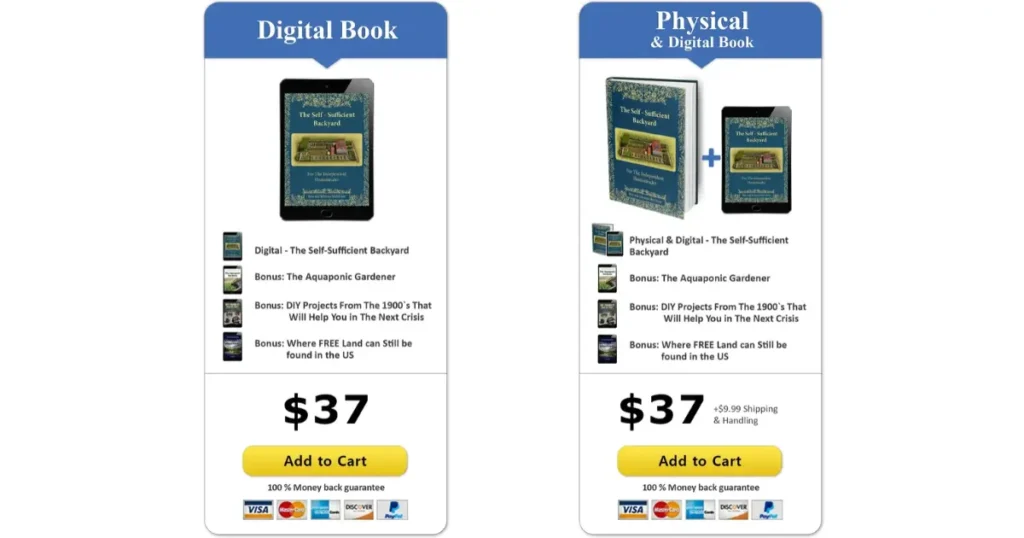
The official page shows two options, and both cost $37. The physical option adds $9.99 for shipping and handling. Both options include the same three digital bonuses, and the page promotes a money-back guarantee.
Current Pricing Packages
| Package | Contents | Price | Notes |
|---|---|---|---|
| Physical & Digital Book | Printed book, digital copy, and 3 digital bonuses | $37 + $9.99 shipping & handling | About $46.99 before tax. |
| Digital Book | Digital book and 3 digital bonuses | $37 | No shipping listed on the page |
One graphic on the official page also lists the publisher’s own “regular” prices for the physical bundle. We show them below for context. They are marketing figures, not verified market prices.
| Item | Type | Publisher’s Listed Price |
|---|---|---|
| The Self-Sufficient Backyard Book | Printed book | $47 |
| Bonus: Where FREE Land Can Still Be Found in the US | Digital item | $27 |
| Bonus: DIY Projects from the 1900s | Digital item | $27 |
| Bonus: The Aquaponic Gardener | Digital item | $27 |
| Listed total | $128 (publisher claim) |
Best Value: The Digital Book is the cheapest way in, because it has the same bonuses and no shipping. Choose the Physical & Digital Book if you want a printed copy to use in the garden.
Buyer Tip: Ignore countdown timers and “last books available” banners. Compare the final checkout total, including shipping and tax, before you pay.
Check Price on Official Website
Self Sufficient Backyard Where to Buy
The official site is the safest place to buy. Third-party listings often differ in price, edition, and refund terms.
- Genuine product: You receive the real book and bonuses, not a copy or a pirated file.
- Guarantee: The money-back guarantee applies to official purchases.
- Secure payment: The page footer says ClickBank is the retailer.
- Full offer: The official page shows both options with all three bonuses included.
Go to the official Self Sufficient Backyard page
Bonus Gifts
The official page lists three free digital bonuses with both options. The publisher shows each at $27 on one graphic, but that is a marketing figure, not a verified market price. Please confirm the bonuses are still included before you buy.
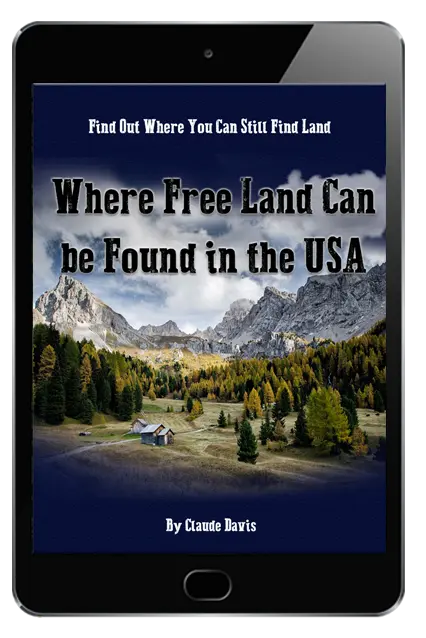
Bonus 1: Where FREE Land Can Still Be Found in the US
This bonus claims to show where people can still find free plots of one to five acres. Land programs often come with strict rules, costs, and building requirements. Therefore, research any offer carefully before you commit.
Digital Product – the images are for visualization purpose only
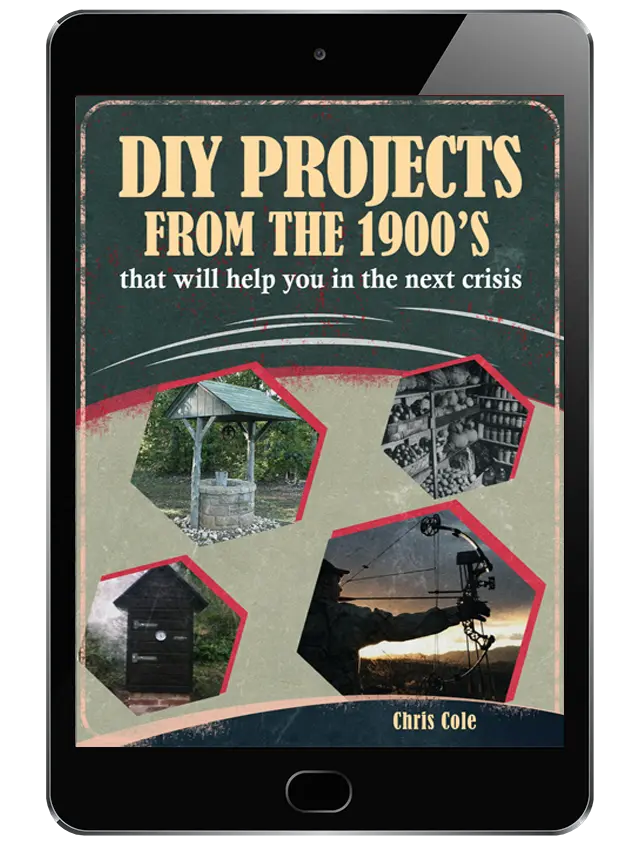
Bonus 2: DIY Projects from the 1900s
This bonus covers old-time skills such as charcoal water filtering, smokehouses, root cellars, and small barns. The publisher also lists items like wild game traps and wood stoves. However, laws on trapping and wood burning vary by location, so check local rules first.
Digital Product – the images are for visualization purpose only
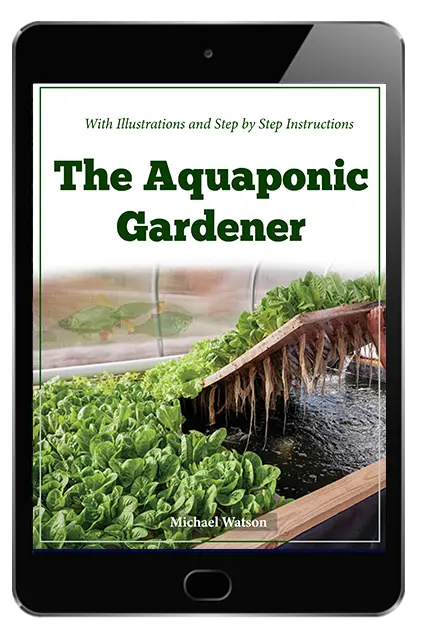
Bonus 3: The Aquaponic Gardener
This guide explains how to set up an aquaponic system in a backyard, basement, or greenhouse. In aquaponics, fish waste feeds the plants, and the plants help clean the water. Setup needs equipment and care, so start small.
Digital Product – the images are for visualization purpose only
Self Sufficient Backyard Money-Back Guarantee
The official page offers a money-back guarantee. The main page describes it as 60 days, and the pricing card says “100% money back guarantee”. The authors say they will refund your purchase in full if you are unhappy with the program.
The site footer links to a Refund Policy page. Read it before you buy, because terms can change. To request a refund, use the support or order contact on your receipt or the official site. [VERIFY: refund window, whether shipping is refundable, and the contact method on the current Refund Policy page]
Is Self Sufficient Backyard Legit?
Yes, it appears to be a real product by real authors, but legitimate does not mean guaranteed results.
5 Reasons Buyers Can Trust Self Sufficient Backyard as a Real Product
- Named authors: Ron and Johanna Melchiore appear on retail and book listings.
- Independent listings: The book appears on Goodreads and in retail stores.
- Refund policy: The official page states a money-back guarantee.
- Known retailer: The page footer names ClickBank as the retailer.
- Mixed feedback: Both praise and mild criticism exist, which suggests real readers.
Quick Verdict
The product is real, and the refund option lowers your risk. Still, legitimate does not mean guaranteed results. Your outcome depends on your land, climate, budget, and effort.
Final Verdict: Self Sufficient Backyard Reviews
Overall, our Self Sufficient Backyard reviews point to a real, broad homesteading book. It covers water, food, power, and animals in one place. Buyer feedback on the official page is strongly positive, while outside reviews are mixed but mostly favorable.
The main appeal is its beginner-friendly overview. Photos, diagrams, a sample layout, and many project ideas help readers picture a backyard homestead. However, some readers want more depth and more regional detail.
Expect inspiration and a starting plan, not a promise of income or total independence. Many projects need permits, safety checks, and professional help. Results will vary.
The $37 price, three bonus guides, and money-back guarantee lower the risk. If you want a broad guide to start with, it may be worth trying.
Ready to Try Self Sufficient Backyard?
FAQs about Self Sufficient Backyard
What is Self Sufficient Backyard?
It is a homesteading book by Ron and Johanna Melchiore. It covers growing food, storing water, and building DIY projects at home.
Is Self Sufficient Backyard safe?
Reading it is safe. However, some projects involve electricity, plumbing, and food storage, so follow local codes and use licensed professionals.
What are the benefits of Self Sufficient Backyard?
It may help beginners plan a backyard homestead and learn practical skills. In addition, it bundles many topics into one resource.
What are the drawbacks of Self Sufficient Backyard?
Some readers find it a general overview. Moreover, results vary by climate, and the sales page uses heavy marketing.
How long does it take to see results?
There is no set timeline. Garden and building results depend on your season, soil, space, and effort.
Can Self Sufficient Backyard replace standard gardening or professional help?
No. It complements standard practices, local guidance, and licensed professionals, and it does not replace them.
How much does Self Sufficient Backyard cost?
The official page shows two options. The Digital Book costs $37. The Physical & Digital Book costs $37 plus $9.99 shipping and handling. Both include three digital bonuses, so confirm tax at checkout.
Where can I buy Self Sufficient Backyard?
The official website is the safest option. Official purchases come with the stated refund policy.
Who is Self Sufficient Backyard for?
It suits beginners, suburban homeowners, and anyone curious about self-reliance. Experienced homesteaders may find it too general.
Is there a refund for Self Sufficient Backyard?
The official page states a money-back guarantee, described as 60 days on the main page. Read the current refund policy before you buy.
Safety Disclaimer: DIY projects involving electricity, plumbing, water, and food storage carry risk. Consult licensed professionals and follow local codes and permits.
Results Disclaimer: Results vary based on climate, soil, space, setup, and usage. Always follow the manufacturer’s instructions and local regulations.
Affiliate Disclosure: We may earn a commission from qualifying purchases made through links on this page, at no extra cost to you.